
Best Areas to Invest in Dubai Real Estate: 2026 Yield Guide
Marina, Downtown or JVC? I compare Dubai's best areas to invest in real estate on price per sq ft, occupancy and net rental yield - and how to pick yours.
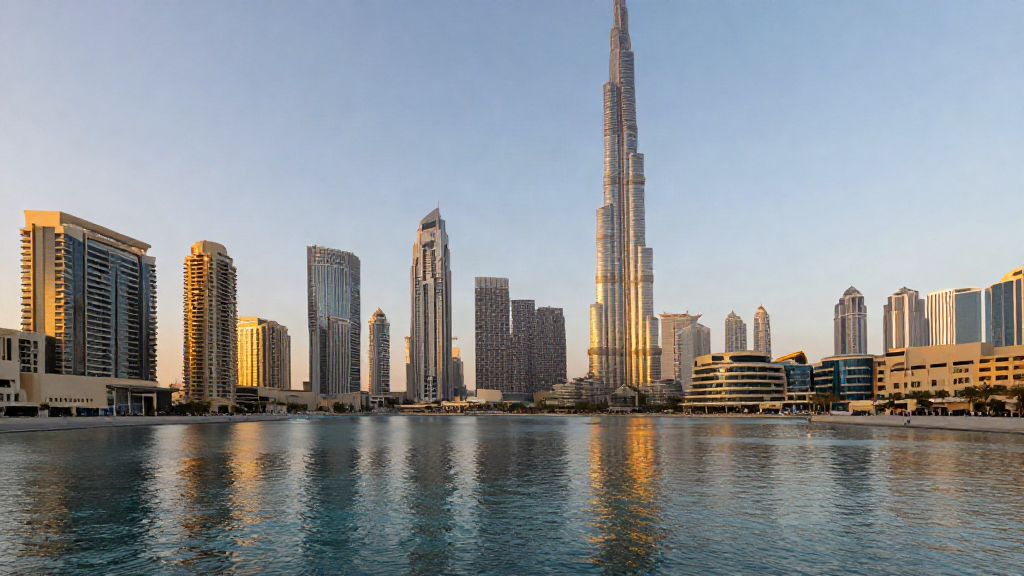
Ask most investors where to start in Dubai and they answer with a building. I'd rather you answer with an area. In my experience, the difference between a good Dubai investment and a disappointing one is rarely the developer or the finishing - it is the neighbourhood you chose to buy inside. So let me walk you through how I compare the best areas to invest in Dubai real estate, using yields you can actually verify rather than brochure numbers.
Why the area beats the building
Every Dubai tower looks impressive in a render. What varies enormously is what happens after handover: who rents it, for how long, at what price, and what it quietly costs you to keep. Two apartments 20 minutes apart can show the same headline price per square foot and produce wildly different cash in your pocket.
A neighbourhood sets your tenant pool, your realistic occupancy, your service charges, and your exit price. The building only sets the view. That is why I always run the area filter first, then shortlist units inside it.
I also insist on this because my fee is paid by you and not by a seller. A seller-paid agent has one project to push; independent advisory has the whole market - 3,000+ projects across the UAE - and no reason to steer you into a specific tower. The area decision belongs to you.
Gross versus net rental yield: the number that actually pays you
A gross yield is simple: annual rent divided by purchase price. It is also the number most marketing uses, because it flatters every property. Net yield is what arrives in your bank account after the costs that are easy to forget.
- Service charges. In Dubai these are quoted per square foot per year and vary widely by community. Budget somewhere in the region of 12 to 20+ AED per square foot annually for apartments, and check the actual figure for the specific building, not the community average.
- Vacancy and turnover. Budget for at least a few weeks empty per year, more if the building competes with a lot of identical units.
- Management and letting fees. Typically a percentage of rent for a managed unit - plus the cost of finding a tenant.
- Transaction and holding costs. DLD transfer fees, agency commission and any mortgage costs all reduce your real return in year one.
The rule of thumb I give clients: if a property shows a 7% gross yield, plan for the net figure to land materially lower once service charges and realistic vacancy are subtracted. Some communities lose more to charges than others, and that alone can flip a ranking.
Marina, Downtown and JVC compared
These three keep coming up because they represent three genuinely different strategies rather than three versions of the same one.
Dubai Marina
Marina sells lifestyle, and it prices it accordingly. You pay a premium per square foot for the waterfront, the walkability and the tourist demand. Gross yields here typically sit in the mid single digits, and service charges in high-rise towers are on the higher end. The compensation is a deep, liquid rental market: strong corporate and short-term demand, excellent occupancy, and a resale market where buyers recognise the address instantly. If you want a unit that is easy to rent and easy to sell, Marina is hard to beat - just price the charges honestly into your model.
Downtown Dubai
Downtown is the trophy address. Price per square foot is the highest of the three, and yields are usually the lowest, because you are buying prestige, the Burj Khalifa view and the strongest short-term-let economics in the city. Where Downtown works brilliantly is premium holiday letting, where nightly rates can justify the entry price. Where it disappoints is long-term income: high capital values and high charges compress the net yield, and your return depends heavily on the owner staying disciplined about occupancy.
JVC
JVC is the value play, and it is where many of my clients find the most attractive income numbers. Entry prices per square foot are far lower, and gross yields commonly land in the 7-9% range. Family demand is steady, tenancies tend to be longer, and turnover costs are lower. The trade-off is capital growth: JVC is a large, constantly supplied community, so appreciation is more measured and you compete with a lot of similar stock. If your goal is income rather than a quick resale, that trade is often worth taking.
Matching the area to your strategy
The right area depends entirely on what you want the asset to do. I sort clients into three buckets before I ever discuss a building.
Short-term lets
If you are chasing nightly rates, you want tourist demand and tolerance for short stays: Marina and Downtown are the natural picks, with the caveat that regulation, permits and management costs all eat into the nightly number. Model it net, not gross.
Long-term income
For stable, boring, predictable rent, I look at value communities with family demand - JVC being the obvious example, alongside several of its peers. Lower entry price, higher gross yield, longer tenancies, less friction. This is where I see the most reliable cash flow.
Capital growth
If you are buying for appreciation rather than income, you are betting on scarcity: prime waterfront, limited-supply districts and emerging areas with committed infrastructure. Accept a lower yield today in exchange for the exit. Just be honest that this is a growth bet, not an income one.
How I'd actually decide
Write down your target net yield, your holding period and your tolerance for vacancy. Then filter the market on those three criteria, not on what looks good in a photo. Verify service charges from the building's own documentation. Check what similar units actually rent for, not what agents advertise. And run the numbers on at least three areas before you fall in love with one apartment.
That discipline - independent selection across the whole market, a flat 1% fee paid by you, and full transparency on the numbers - is exactly why I built this approach. You should be able to check every assumption before you commit a dirham.
The bottom line
There is no single best area, and anyone who tells you otherwise is selling something. Marina gives you liquidity, Downtown gives you prestige and premium short lets, JVC gives you yield and steady income. The right answer is whichever matches your strategy - and the way to find it is to compare net yields honestly, charges included, across the whole market rather than a single project.
Investor, before advisor. The area comes first.